The Long Game - What the maintenance plan is actually for
Every building is quietly spending money whether anyone is watching or not. Membranes reach the end of their life, sealant goes hard, flashings move, a balustrade fixing starts weeping rust down the face of a wall. None of it announces itself. It just accumulates, and then one wet winter it arrives all at once as a leak in somebody's bedroom and a bill nobody budgeted for.
That is the problem the long term maintenance plan was built to solve. Under the Unit Titles Act 2010, every body corporate has to have one. It is not a wish list and it is not a document you write once and file. It is meant to be a working forecast of what your building will need, when it will need it, and what it is likely to cost.
The rules around it were tightened, and the final set of those changes came into force on 9 May 2024. They were the last provisions of the Unit Titles (Strengthening Body Corporate Governance and Other Matters) Amendment Act 2022 to commence, taking effect on the second anniversary of the Act receiving Royal assent. The changes to the long term maintenance regime were held back deliberately, which gave bodies corporate a two year run up to get their plans in order.
The basics have not changed. A plan has to cover at least ten years and be reviewed at least every three years. What changed is the detail expected of it. A plan now has to summarise the current state of the common property and say where the money for the work is coming from. Larger developments, meaning those with ten or more principal units, need a plan that looks thirty years ahead, with detailed costings for the first ten. And a large development is expected to consult a building professional or another suitably qualified person when it puts the plan together or reviews it, unless it resolves by special resolution not to. Bodies corporate also have to establish and maintain a long term maintenance fund unless they resolve by special resolution not to, and if they have made that call they need to revisit it each year.
The thirty year horizon is the part that tends to raise eyebrows, and it is the part we think is right. A membrane roof might give you twenty five years. Recladding a face of a building is a once in a generation job. If your plan only looks ten years out, the biggest single expense your building will ever face sits just past the edge of the page, invisible, until it is three years away and there is nothing in the fund.
The consultation requirement is the other one worth taking seriously. A plan written from a desk is a list of assumptions. A plan written after somebody has been up on the roof, opened a cladding junction and looked at how the deck drains is a forecast. The difference between the two usually shows up as a variation five years later.
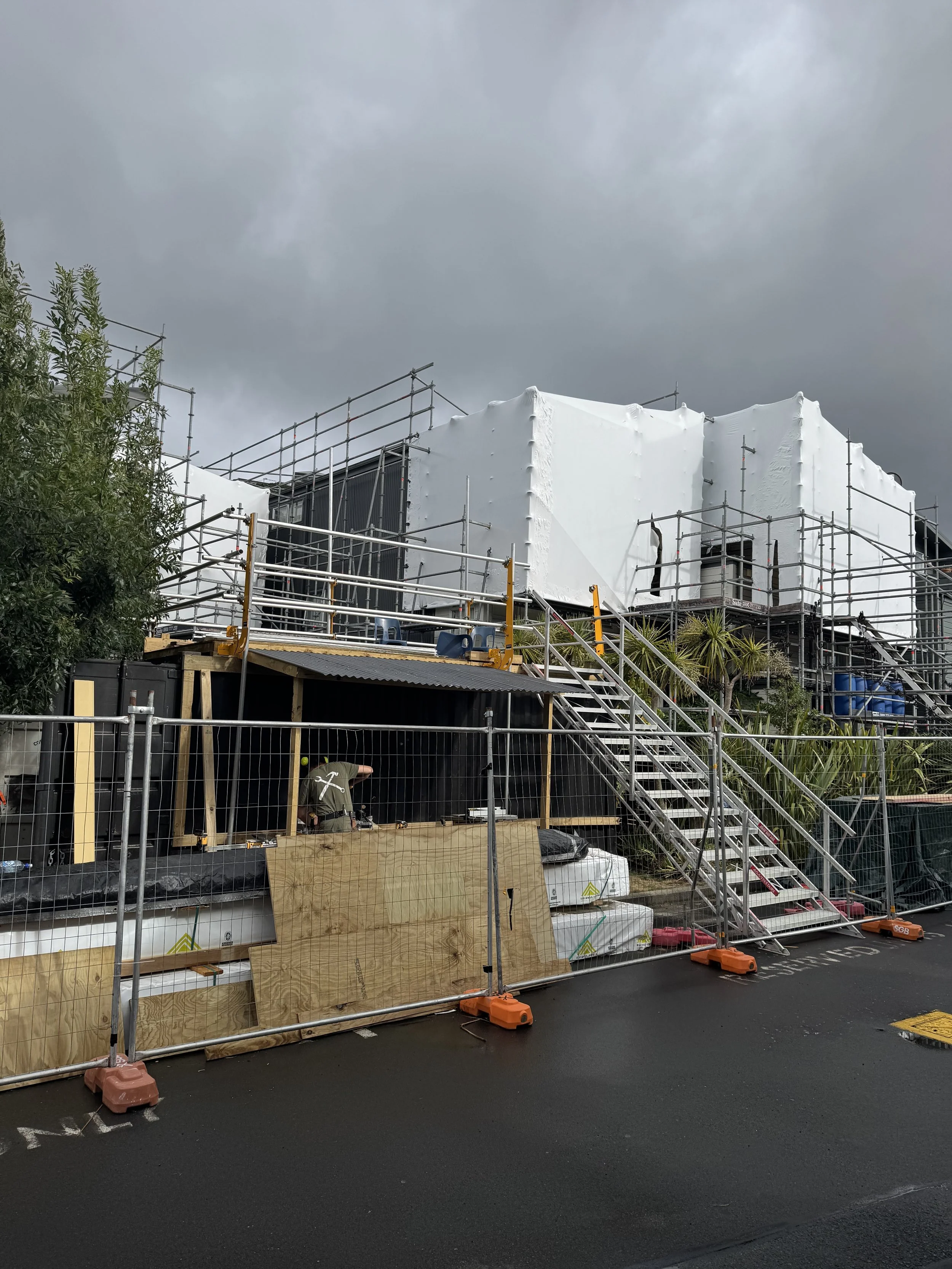
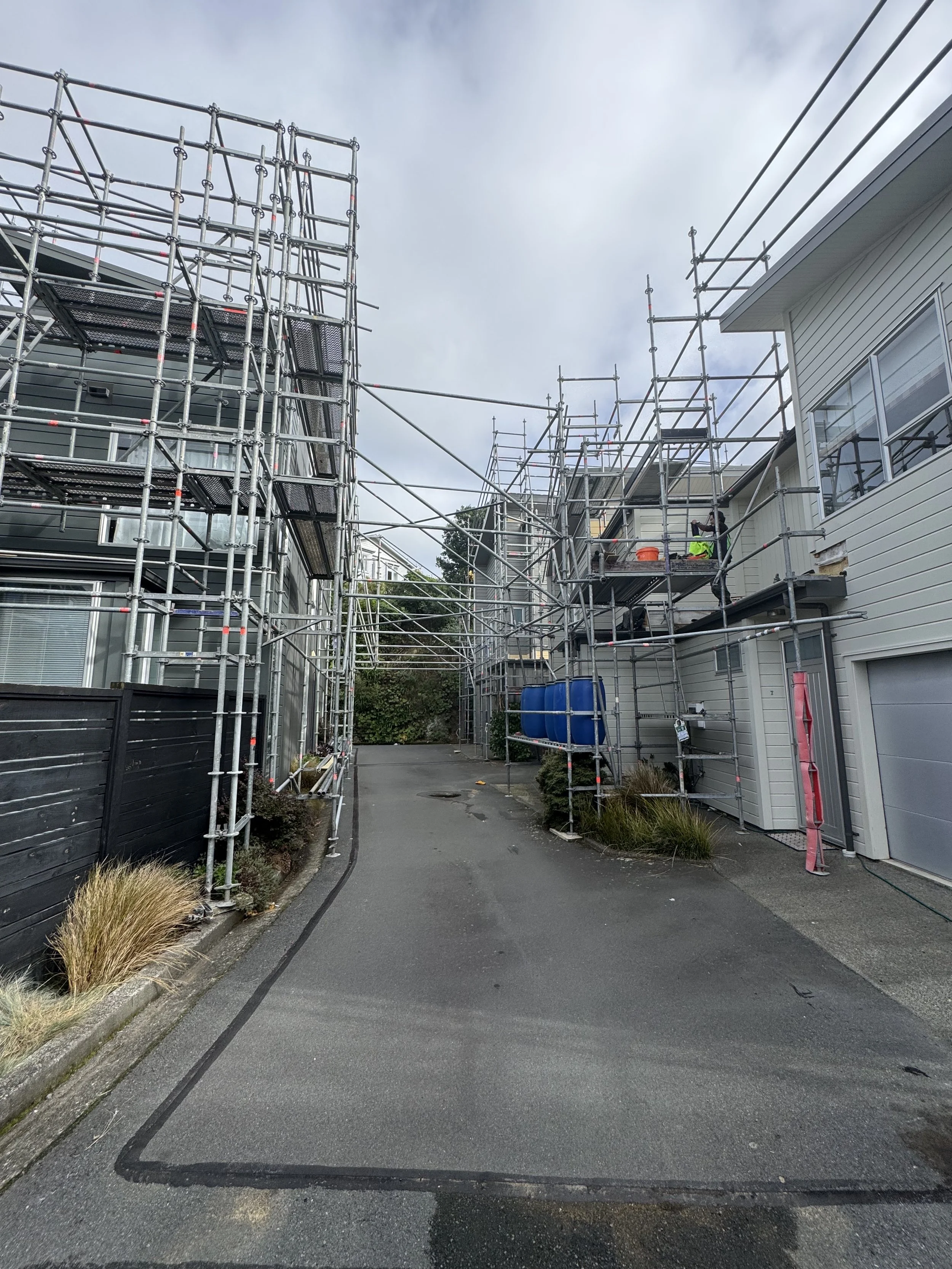
The honest version of this is that maintenance spending is going to happen either way. The only real choice is whether it happens on your terms, staged across years you have planned for and funded, or on the building's terms, all at once, at short notice, with scaffold going up in the middle of winter and a special levy landing in everybody's letterbox. Planned work is nearly always cheaper, because you are buying at a time of your choosing, you can bundle jobs that share access, and you are fixing things before the water has found its way into the framing.
We work with bodies corporate and building owners on exactly this sort of work, and we do our own quantity surveying in house, which means when we tell you what something will cost in year seven, that number has come from someone who prices this work for a living rather than from an inflation factor applied to a guess. We are happy to walk a building with you and give you an honest read on what is ahead of it.
We are builders rather than lawyers or body corporate managers, so for the legal detail of your obligations your body corporate manager or solicitor is the right call. What we can tell you is what the building is going to need, and roughly when.